
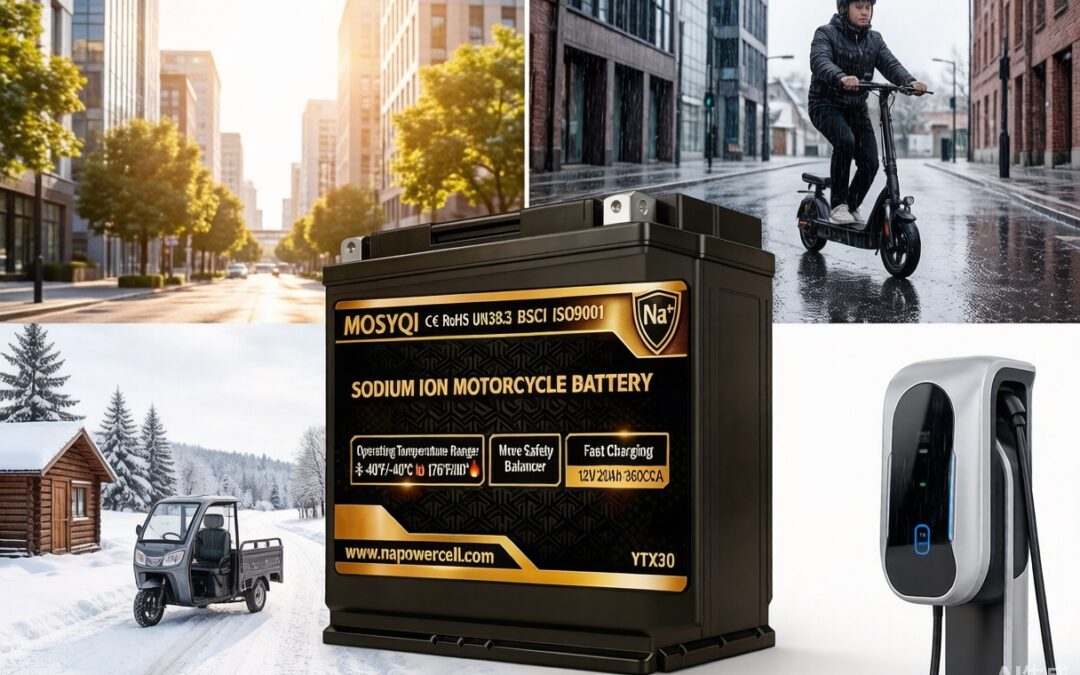

Sodium-ion batteries have moved from experimental curiosities to a pivotal commercial reality in 2026, offering a cheaper, safer, and more abundant alternative to lithium-ion systems.
Safe: Sodium-ion cells are inherently more stable and far less prone to thermal runaway (battery fires). Unlike lithium-based systems, they do not require heavy, energy-intensive cooling infrastructure. In March 2026, a passively cooled sodium-ion storage system was deployed in the US Midwest, demonstrating real-world safety at grid scale.
Affordable: Sodium is over 1,000 times more plentiful in the Earth’s crust than lithium, immune to the extreme price volatility and geopolitical bottlenecks of lithium mining. Sodium-ion batteries use aluminum for current collectors instead of expensive copper, potentially slashing production costs by 30%. The IEA notes that sodium-ion capacity acts as “a strategic hedge against the risk of lithium price spikes.”
All-Weather: The latest sodium-ion cells excel in extreme cold, maintaining 90% capacity at –40°C — a threshold where traditional batteries often fail. This makes them especially compelling for EVs in cold-climate regions, city cars, and fleet vehicles that must perform reliably year-round.
Outlook: With energy density reaching 175 Wh/kg and ranges exceeding 400 km, sodium-ion is no longer a “budget” alternative — it is a diversified energy solution that makes renewable storage safer, EVs more affordable, and the global supply chain more resilient.